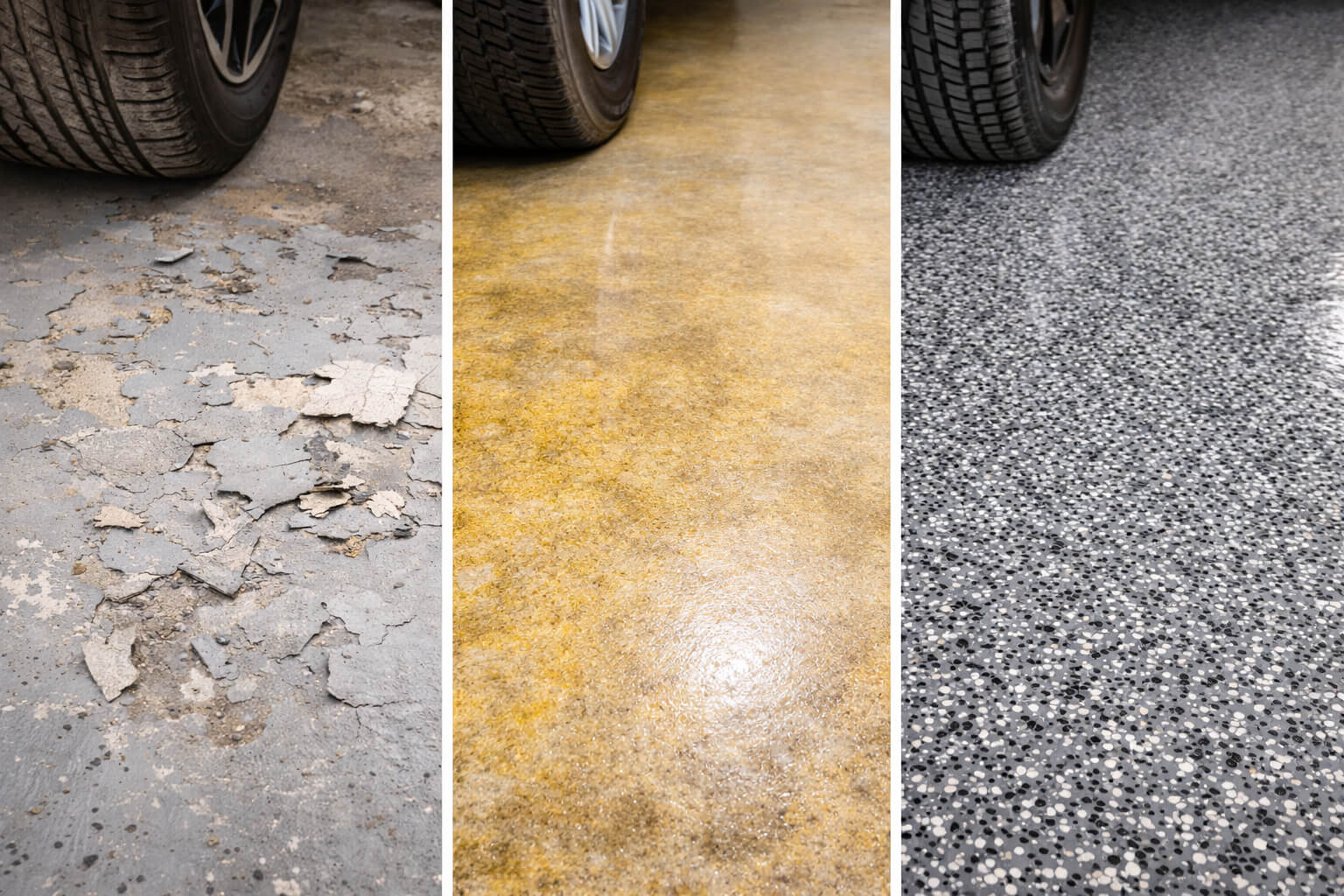
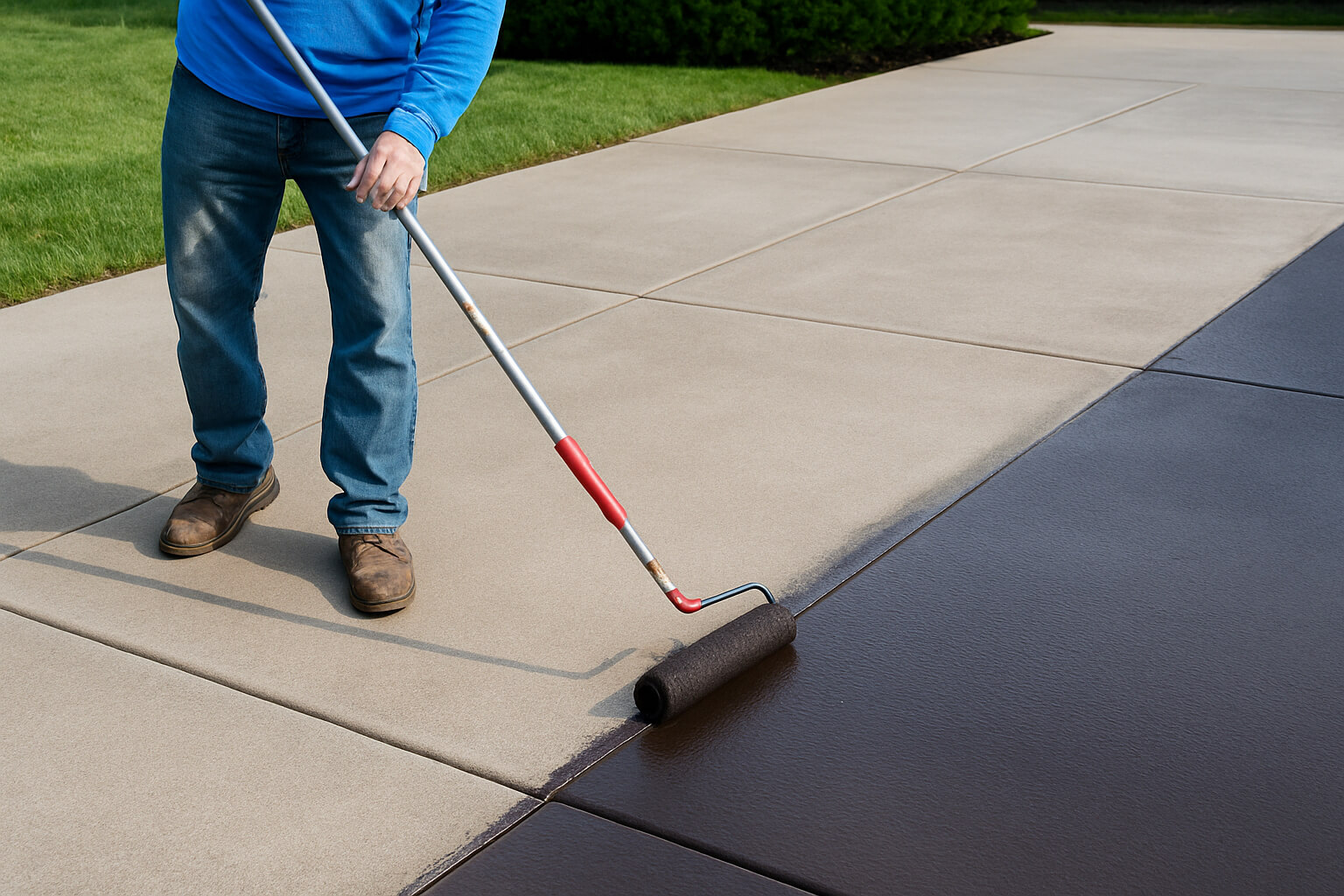
Slippery floors are a hazard no business wants. From spilled water in kitchens to oil drips in workshops, smooth surfaces can quickly turn into safety risks. That’s where non slip epoxy flooring comes in—a tough, textured epoxy system designed to improve traction, resist spills, and make floor safety audits a breeze. By combining a durable epoxy base with specialized textures or topcoats, this flooring keeps your team steady on their feet and helps prevent costly slip-and-fall incidents. For facility managers seeking compliance, durability, and a polished look, non slip epoxy flooring is the practical, long-term answer.
What “Non-Slip” Really Means (and How It’s Achieved)
In real-world terms, “non-slip” means traction—grip underfoot even when surfaces are wet or oily. The science behind non slip epoxy flooring involves micro-textures that create friction, reducing the chance of slips. To measure this, contractors use the coefficient of friction (COF), which compares how surfaces perform dry versus wet. The higher the COF, the safer the floor.
Epoxy itself acts as a binder—it’s the backbone that holds everything together. The texture or topcoat you choose defines how slip-resistant your floor will be. When properly installed, an anti slip epoxy floor coating creates a finish that’s durable, seamless, and easy to clean—perfect for workplaces where safety and hygiene go hand-in-hand.
The Three Building Blocks of a Non-Slip Epoxy System
- Surface Prep & Primer: Ensures a strong bond and controls moisture.
- Body/Mid Coat: Builds film thickness and absorbs heavy impacts.
- Topcoat with Texture: Adds durability, chemical resistance, and traction.
Options for Creating Traction: Pick by Risk Level
Every facility has different needs—some want light grip for public areas, others need maximum traction in greasy kitchens. Here’s how to choose based on your environment.
Additive Textures (Light/Moderate Risk)
For moderate foot traffic, powders like aluminum oxide, silica, or polymer beads can be mixed into or broadcast on top of the final coat. These micro-grits make non slip epoxy flooring perfect for retail aisles, corridors, and classrooms—safe, easy to clean, and visually smooth.
Quartz Broadcast Systems (Wet/Greasy Areas)
An epoxy quartz floor coating offers exceptional traction through a full quartz broadcast sealed with a clear topcoat. These systems shine in breweries, locker rooms, and kitchens—anywhere spills or moisture are daily realities. They’re highly durable and maintain their grip even after years of use.
Flake/Chip With Grip (Decor + Safety)
This combines decorative color flakes with a grippy topcoat. It’s ideal for showrooms and lobbies that need visual appeal plus added traction for visitors.
Specialty Coatings (Heavy Chemical/Outdoor)
When dealing with harsh chemicals or outdoor exposure, a hybrid anti slip epoxy floor coating with urethane or polyaspartic topcoats keeps floors UV-stable and slip-resistant even under tough conditions.
Compliance & Risk Reduction: How Non-Slip Epoxy Helps
Safety isn’t just good practice—it’s required. Installing non slip epoxy flooring helps businesses stay compliant with OSHA standards and insurance requirements. Fewer slip-and-fall claims mean lower premiums and fewer disruptions. These floors also make audits easier thanks to documented specs like target COF ratings and system types.
You can even use color-coded zones for egress routes or wet areas—making your safety strategy both functional and professional-looking.
Where It Makes the Biggest Difference
- Food & beverage processing areas
- Warehouses and loading docks
- Healthcare and education facilities
- Retail stores and public spaces
- Automotive and aviation shops
Cost & Budgeting (What Businesses Actually Pay)
While prices vary by project, here’s a general range for non slip epoxy flooring:
- Additive non-slip topcoat: $4–$8/sq ft
- Quartz broadcast systems: $6–$12+/sq ft
- Specialty or chemical-resistant systems: higher
Costs depend on substrate repair, moisture control, film thickness, and texture grade. Always request an itemized quote showing prep method, mil thickness, aggregate mesh, topcoat chemistry, and COF targets to compare apples-to-apples bids from epoxy flooring contractors.
Installation Timeline & Downtime
Most small to medium installations take one to three days, plus curing time. Phased work can keep operations running smoothly. When faster turnaround is needed, polyaspartic topcoats can allow same-day return-to-service—ideal for high-traffic businesses.
Performance & Maintenance
The texture that prevents slips can collect dirt, so cleaning methods matter. Use neutral-pH cleaners, soft pads or brushes, and avoid harsh abrasives. A periodic topcoat refresh maintains traction and sheen. Routine scrubbing—especially during winter or after oil exposure—keeps your non slip epoxy flooring safe, glossy, and hygienic.
Why Floors Become Slippery Again (and How to Prevent It)
When topcoats wear down or textures clog with soap film or grime, traction fades. The quick fix?
- Deep-clean regularly.
- Measure traction annually.
- Schedule a re-topcoat before slip incidents occur.
DIY vs Professional Install: When Each Makes Sense
- Best use for DIY kits: Ideal for small, light-duty spaces like home garages or hobby workshops where traffic is low and moisture exposure is minimal.
- Limitations of DIY: Kits usually include basic primers and mixes that don’t address hidden issues (cracks, moisture, contamination) and can fail under commercial stress.
- Why pros matter for commercial work: Epoxy flooring contractors bring industrial prep—shot-blasting or diamond grinding—to create a consistent surface profile and long-lasting bond.
- Testing & compliance: Professionals perform moisture mapping and adhesion tests and can specify a target COF so your non slip epoxy flooring meets safety and insurance expectations.
- Custom performance: Pros tailor aggregate type, mil thickness, and topcoat chemistry to traffic, chemicals, and cleaning regimes—DIY can’t match that specificity.
- Value proposition: DIY saves on upfront costs; professional installs minimize liability, extend service life, and often include warranty coverage—making them the smarter choice for businesses.
How to Choose Epoxy Flooring Contractors (Checklist)
- Detailed written spec: resin type, solids %, mils, aggregate mesh
- Clear moisture-mitigation and surface prep plan
- Portfolio of similar jobs and references
- After-hours or phased installation options
- Maintenance plan and re-topcoat schedule
- Warranty coverage for slip-resistance retention
Pros and Cons (Balanced View for Stakeholders)
Every flooring system has its strengths and tradeoffs—and understanding them helps businesses make smarter, longer-lasting investments. When it comes to safety, aesthetics, and maintenance, here’s a balanced look at what makes non slip epoxy flooring shine, and where it may require a bit more care.
Pros of Non-Slip Epoxy Flooring
- Enhanced Safety: Provides a highly slip-resistant surface that minimizes the risk of workplace accidents. The built-in traction performs well even in wet or oily conditions, keeping staff and visitors secure.
- Long-Lasting Durability: Designed to handle heavy foot and vehicle traffic, non slip epoxy flooring resists scratches, impacts, and chemical spills, maintaining its integrity for years.
- Seamless & Sanitary: The smooth, continuous finish eliminates joints where bacteria, dirt, or moisture can hide, making cleaning simple and hygienic—ideal for healthcare, food service, and industrial spaces.
- Customizable Appearance: Available in various colors, gloss levels, and textures, this flooring merges safety with design appeal. It can complement modern interiors while meeting safety standards.
- Predictable Life Cycle: With routine maintenance and periodic re-topcoating, it keeps its traction and shine, offering a consistent, cost-effective flooring solution over time.
Cons of Non Slip Epoxy Flooring
- Requires Consistent Cleaning: Because the surface is textured for traction, dust and grime can accumulate more quickly. Routine cleaning is key to preserving both safety and appearance.
- Slightly Rough Underfoot: High-grit textures enhance grip but can feel coarse, especially in areas where employees stand for extended periods.
- Improper Prep Can Cause Issues: Without proper surface preparation, such as grinding or moisture testing, epoxy coatings can peel or bubble prematurely—underscoring the importance of professional epoxy flooring contractors.
- UV Sensitivity: Extended sunlight exposure can cause ambering or fading. Adding urethane or polyaspartic topcoats provides UV stability and preserves clarity.
- Higher Initial Cost: While the upfront investment may exceed standard paints or sealers, the superior lifespan, safety benefits, and reduced liability make it well worth the cost in the long run.
Overall, non slip epoxy flooring delivers an unbeatable combination of durability, safety, and style—making it one of the smartest flooring upgrades for modern commercial and industrial spaces.
Make the Safer Choice with Concrete Refresh
Slips don’t have to be part of your workday. With non slip epoxy flooring, you can combine beauty, safety, and compliance—all in one durable system. Whether you need an anti slip epoxy floor coating for your warehouse or an epoxy quartz floor coating for your commercial kitchen, our experienced epoxy flooring contractors deliver proven results.
Contact Concrete Refresh today for a free site assessment and a custom flooring recommendation designed to keep your team safe and your business compliant.
FAQs (People Also Ask)
Q. Can epoxy floors be non-slip?
A. Yes, by adding textures or aggregates, epoxy floors become highly slip-resistant.
Q. How do you make an epoxy floor non-slip without ruining the look?
A. Use clear textured topcoats or fine aggregates that maintain appearance and traction.
Q. What are the negatives of non-slip epoxy flooring?
A. Poor cleaning can trap dirt; overly gritty surfaces may feel rough.
Q. How often should we re-topcoat to keep traction?
A. Every 3–5 years, depending on traffic and cleaning practices.
Q. Is quartz or additive texture better for kitchens/warehouses?
A. Quartz provides stronger grip for wet or greasy conditions; additives suit lighter use.