Concrete is tough, but even the best slabs can show lines, gaps, and wear—especially thanks to Minnesota’s freeze-thaw weather. Many homeowners see a crack and instantly worry it means something serious. The truth? Most concrete flaws can be handled with easy concrete crack repair, and understanding what you can fix yourself saves you time, stress, and money.
This guide will walk you through why cracks happen, what they mean, how to fix some at home, and when calling an expert gives you better results. By the end, you’ll feel confident about concrete crack repair and know the smartest steps for your floors, garage, or driveway.
Why Concrete Cracks
Before grabbing tools, it helps to understand what caused the crack. A small line on the surface doesn’t always signal a major problem. Here are the most common reasons:
- Natural aging
- Moisture changes
- Heavy vehicles or equipment
- Poor initial installation
- Temperature swings
- Freeze–thaw cycles (a Minnesota classic)
These issues show up differently, which leads us to the next part—identifying the type of crack you’re dealing with.
Types of Concrete Cracks
A few quick clues can help you figure out what you’re working with.
- Hairline Cracks: Thin, shallow cracks that are mostly aesthetic.
- Shrinkage Cracks: Small gaps that appear as concrete cures.
- Settlement Cracks: Caused by ground movement or poor soil preparation.
- Structural Cracks: Wide cracks or uneven slabs that may need professional care.
If you’re trying to decide whether your crack in concrete floor is minor or major, these categories make it easier to judge.
DIY Concrete Crack Repair: Simple Steps Anyone Can Try
For most small, non-structural cracks, the repair process is simpler than many homeowners expect.
- Clean the Crack: Remove dirt, dust, or loose concrete with a brush or vacuum.
- Widen the Crack Slightly: A small chisel helps create space for the filler to bond.
- Apply the Filler: Use a bottle filler, patching compound, or an epoxy concrete joint filler, depending on the size.
- Smooth It Out: Level the surface using a putty knife.
- Let It Cure: Most fillers cure within a few hours.
These steps work well for small cosmetic fixes, especially if the crack in the concrete floor is narrow.
Best Products to Use for DIY Repairs
Choosing the right material matters just as much as the repair itself.
Acrylic Fillers
Great for hairline cracks. Easy for beginners.
Epoxy Fillers
Stronger bonding and ideal for medium cracks.
Polyurethane Sealants
Good for cracks exposed to movement or moisture.
Resurfacing Materials
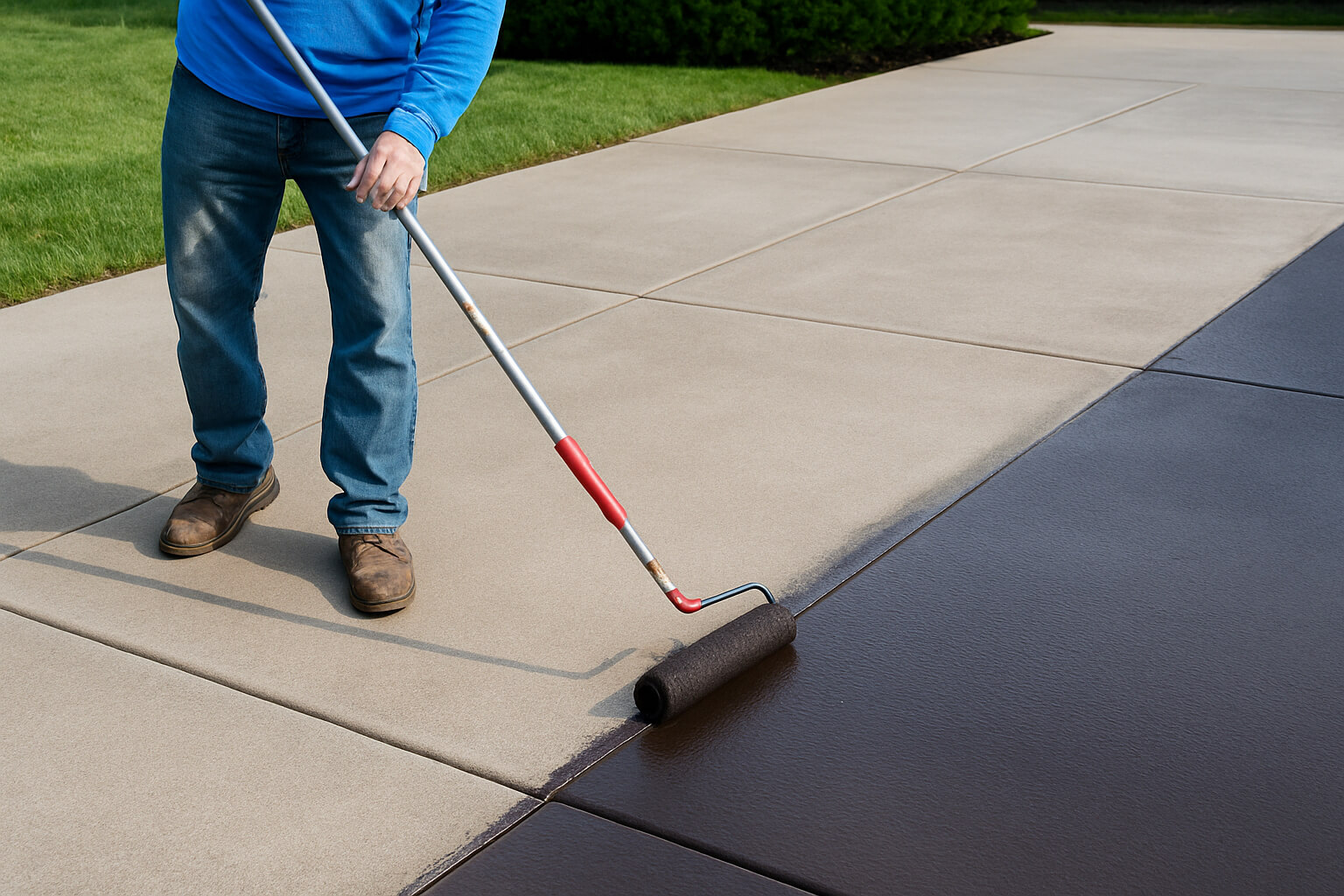
If you want to resurface garage concrete floor or try concrete resurfacing garage projects, skim-coats and overlays create a fresh top layer.
Each one helps with concrete crack repair, but their effectiveness depends on the type of damage.
When Not to DIY
Some situations need a trained eye. Stop the DIY approach if:
- The crack is wider than 1/4 inch
- You notice sinking or lifting
- Moisture keeps coming through the crack
- You’re unsure about structural issues
- The crack keeps reopening
When these red flags show up, doing more DIY can make the problem bigger.
Why Hire a Professional
Pros bring tools, experience, and high-grade materials that last longer than DIY kits. Hiring a team means:
- Stronger, cleaner finishes
- Repairs that blend with your concrete
- Better protection against future cracking
- Less risk of misdiagnosing a serious problem
Professionals don’t just fill a gap—they make your surface stronger than before.
How Concrete Refresh Repairs Cracks
At Concrete Refresh, our approach is simple:
Assess → Clean → Repair → Strengthen → Beautify.
We evaluate the cause of the crack, remove damaged sections, inject high-strength fillers, and smooth the surface until it blends seamlessly. From epoxy solutions to full resurfacing, our team handles everything from tiny lines to complex structural repairs. When homeowners want dependable concrete crack repair, our process delivers results that stand up to Minnesota weather.
Before & After: What Homeowners Can Expect
Picture this:
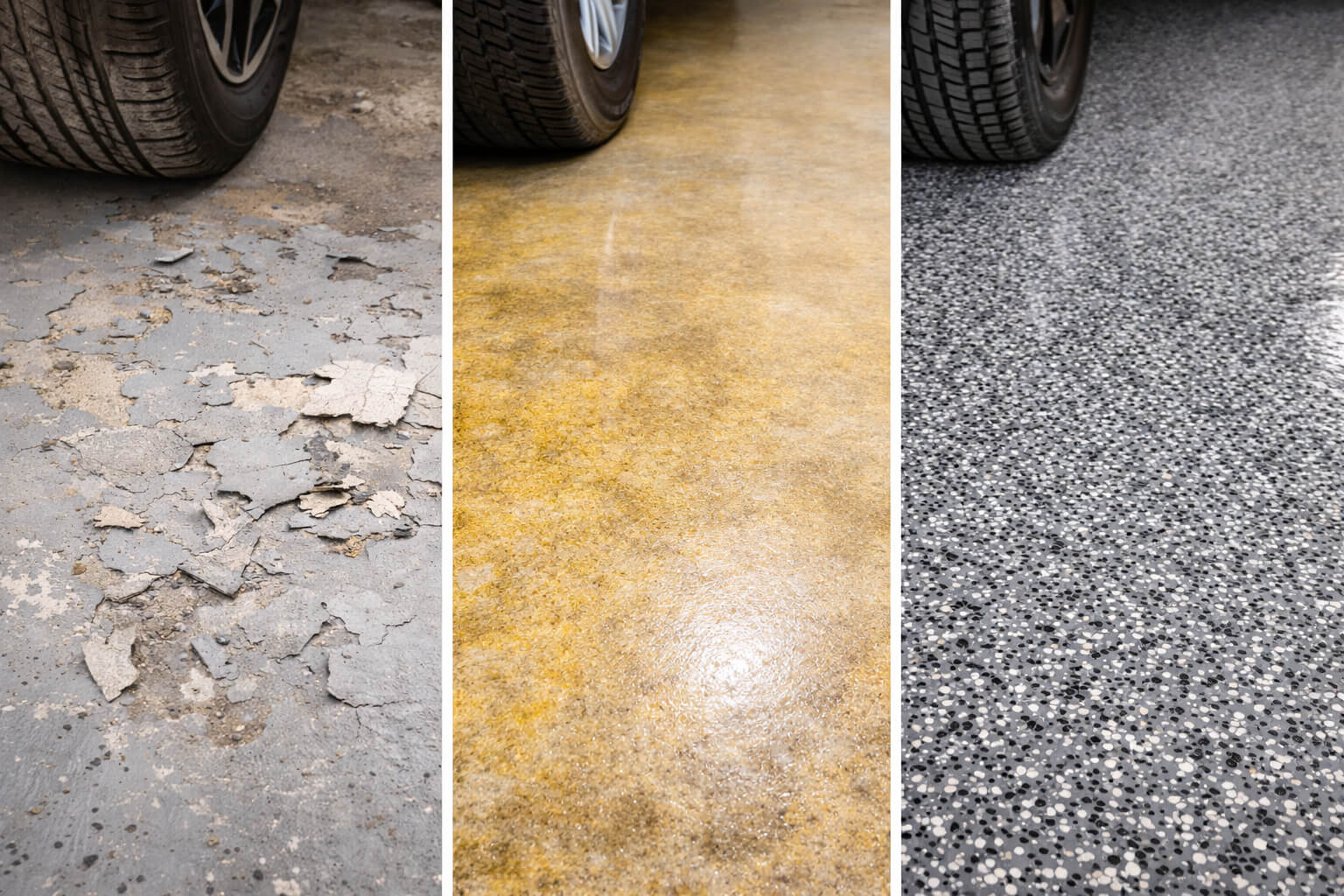
A dull, cracked driveway transformed into a smooth, sharp, fresh-looking surface.
A stained garage floor restored with a bright finish.
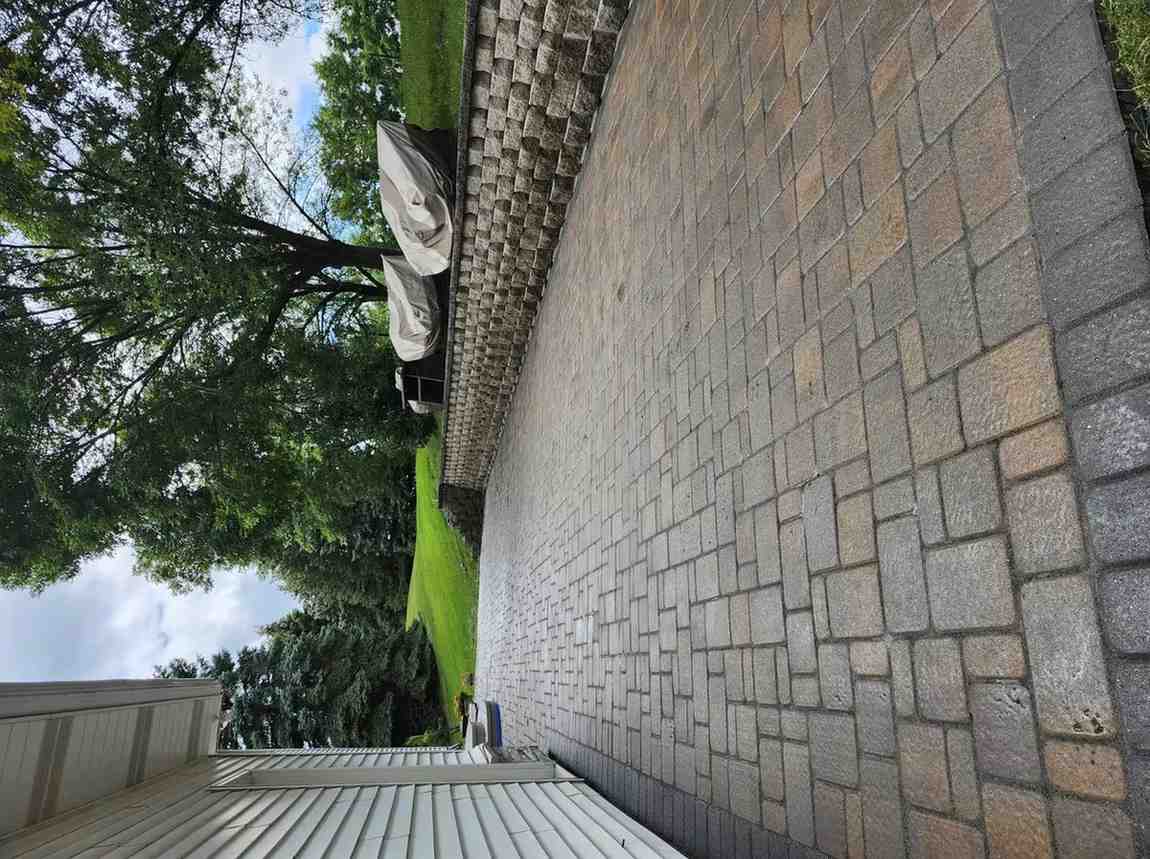
A chipped patio renewed with even texture and color.
This is why homeowners love professional concrete crack repair—the results speak for themselves.
Prevention Tips to Reduce Future Cracking
Keep your concrete healthier with simple habits:
- Seal your floors every 2–3 years
- Remove standing water quickly
- Avoid de-icing salts
- Fix small cracks early
- Keep heavy machinery off weak areas
- Clean regularly to prevent moisture buildup
Little steps now reduce big issues later.
Ready to Fix Your Concrete? Here’s Your Next Step
You’ve now learned what causes cracks, how to handle small repairs, which products work best, and when to call for help. Whether you want to try basic fixes or get professional support, concrete crack repair keeps your garage, driveway, and floors looking sharp and running strong. For deeper, wider, or recurring damage, our crew makes concrete crack repair fast, safe, and long-lasting. If you’re ready for smoother, stronger surfaces, contact us today.