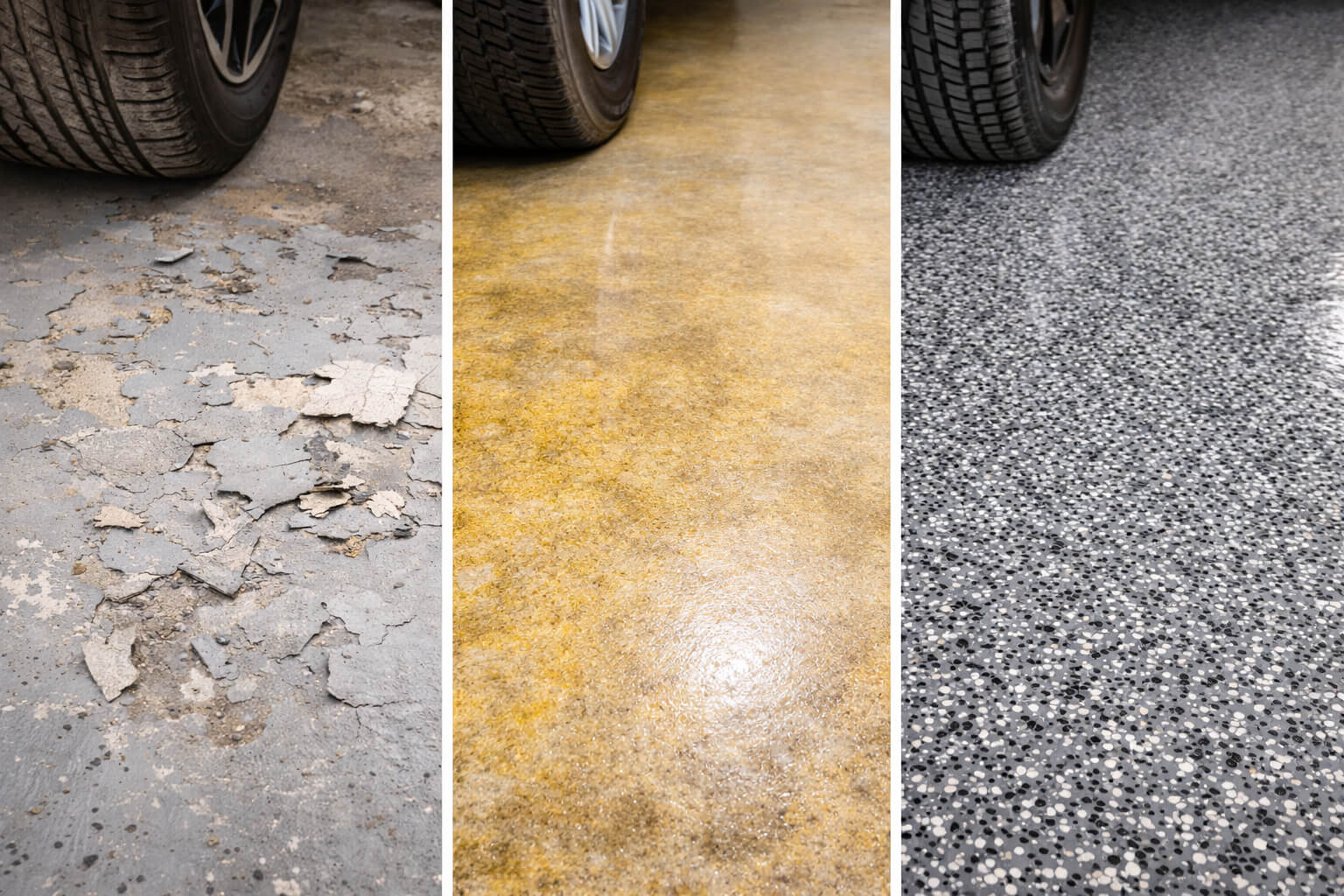
Every business needs a floor that works as hard as it looks. That’s exactly what epoxy flooring systems deliver. Built from multiple layers—a primer, base or mid-coat, and a protective topcoat—these floors combine strength with visual appeal. They’re ideal for warehouses, retail stores, healthcare facilities, food and beverage spaces, auto shops, and schools. The result? Long-lasting durability, fast return on investment, and custom design options that reflect your brand’s personality. With epoxy flooring systems, you get the perfect balance of resilience, safety, and style—all in one seamless surface.
What Is an Epoxy Flooring System?
An epoxy flooring system is a multi-layer protective coating designed to bond tightly with concrete. Depending on your needs, it can be made using 100% solids epoxy (for industrial-grade builds) or high-solids epoxy (for lighter commercial use). Decorative elements like flakes, metallic pigments, or broadcast sand can be added to enhance texture and style.
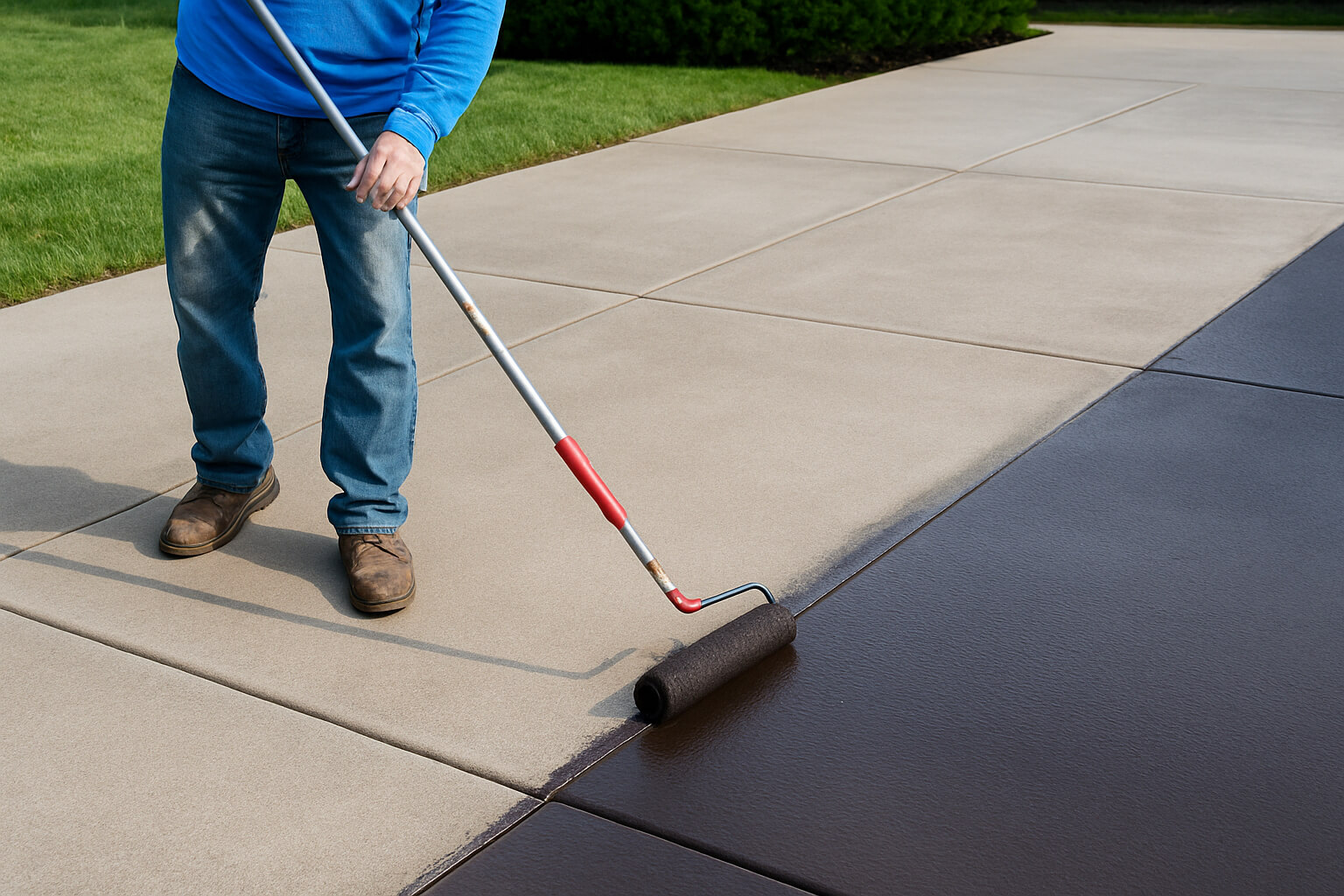
Installation follows a precise process: surface preparation, primer application, body or mid-coat build, and finally, a topcoat that resists UV rays, chemicals, and impact. Compared to urethane or polyaspartic systems, epoxy excels in film build and bonding strength, while urethane shines as a UV-stable top layer. Together, they form one of the most durable and versatile flooring solutions in the market.
Core Components at a Glance
- Primer: Promotes strong adhesion and moisture control.
- Mid-Coat: Adds thickness, strength, and impact resistance.
- Broadcast Layer: Provides color, texture, or anti-slip properties.
- Topcoat: Protects against UV exposure, chemicals, and wear.
The Business Case: Durability That Lowers Total Cost
What sets epoxy flooring systems apart is their toughness. These floors resist abrasions, chemical spills, tire marks, and forklift traffic without showing wear. Their seamless, non-porous surface is easier to clean than tile or bare concrete, helping businesses stay compliant with HACCP and OSHA sanitation standards.
Fewer repairs and minimal shutdowns mean lower maintenance costs over the lifespan of the floor. Compared to vinyl tile or untreated concrete, epoxy significantly reduces downtime and patchwork. For businesses where time is money, that reliability translates directly to savings.
ROI Snapshot (Simple Math)
ROI Formula:
Repairs avoided + cleaning labor saved + fewer shutdown hours × hourly labor rate – installation cost = savings over X years
Phased installations or overnight work can compress downtime even further. When properly maintained, epoxy floor systems often pay for themselves faster than most conventional floors.
Design & Safety: Make the Floor Work for You
Epoxy floors don’t just perform—they look amazing too. Businesses can match colorways to their brand, add metallic finishes, custom logos, or aisle striping for organization. Beyond looks, epoxy flooring systems also enhance safety with slip-resistant textures, color-coded zones, and reflective finishes that improve visibility in busy areas.
For regulated spaces like food processing, healthcare, and education, these floors make cleanliness simple and audits stress-free. That’s one of the key advantages of epoxy flooring—it merges form and function seamlessly.
Popular System Styles
- Flake Systems: Decorative and hides daily wear.
- Quartz Broadcast: Perfect for wet or high-traction areas.
- Self-Leveling Epoxy: Smooth, high-gloss look for showrooms.
- ESD/Antimicrobial Options: For labs, hospitals, and sensitive environments.
Cost: What Businesses Really Pay
Cost depends on your project’s scope and goals. Professionally installed epoxy flooring systems usually range between $4–$12 per square foot, depending on factors like thickness, texture, and performance grade. Heavy-duty or chemical-resistant builds may cost more but offer exceptional longevity.
Key pricing drivers include substrate condition, crack repairs, moisture mitigation, and the system type (flake, quartz, or self-leveling). Slip resistance, cove base integration, layout complexity, and after-hours work can also affect pricing.
Pro tip: Always request an itemized proposal from your epoxy flooring company that specifies the prep method, resin type, mil thickness, topcoat chemistry, and warranty coverage.
How Long Does Epoxy Last?
Most epoxy floor systems last 5–10+ years, depending on traffic and care. Light to medium-duty environments often exceed that range with proper maintenance. A topcoat refresh every few years extends both shine and traction.
Why Do Epoxy Floors Fail?
Failures usually trace back to poor surface preparation, incorrect moisture testing, or under-spec’d materials. Common mistakes include applying too thin a coat, skipping recoat windows, or using untrained installers. That’s why choosing an experienced epoxy flooring company makes all the difference.
Best-Fit Use Cases (Pick Your Industry)
Every industry has its own flooring challenges—from heavy machinery and chemical spills to hygiene and visual branding. That’s why epoxy flooring systems are designed to adapt, offering customized performance for every environment. Here’s how different businesses benefit from these versatile floors:
Warehouses & Logistics
- Withstands forklift abrasion and tire heat.
- Aisle striping improves workflow and safety.
Automotive & Aviation
- Resistant to chemicals, oils, and hot tires.
- Ideal for showrooms that demand a branded look.
Food & Beverage
- Seamless surface prevents bacterial growth.
- Quartz broadcast offers superior traction in wet areas.
Healthcare & Education
- Low-VOC and hygienic finishes reduce contamination risk.
- Quiet, glare-controlled environments promote comfort.
Retail & Public Spaces
- Reflective finishes brighten interiors.
- Stylish designs enhance the customer experience.
Installation Timeline & What to Expect
Before installation, technicians assess moisture, hardness, and repair needs. Prep involves shot-blasting or diamond grinding to create a bonding profile (CSP standard). After that, the system is built in layers—primer, mid-coat, optional broadcast, and topcoat.
Small to medium spaces take 1–3 days for installation and curing. Businesses often schedule phased work to stay operational. While DIY might work for home garages, commercial sites should always hire pros for guaranteed specs, durability, and warranty coverage.
How to Choose an Epoxy Flooring Company
When vetting installers, ask for a written specification sheet detailing:
- Resin type, solids %, and mil thickness.
- Topcoat chemistry and slip resistance rating.
- Moisture mitigation and surface prep plan.
- Industry-specific portfolio and references.
- Clear schedule, insurance, and after-hours work capacity.
- Sample panels or mockups for visual approval.
Getting “apples-to-apples” bids ensures fair comparison and quality results.
Maintenance That Protects Your ROI
To keep your epoxy flooring systems performing and shining:
- Dust mop daily and use neutral-pH cleaners.
- Keep forklift tires and casters clean.
- Avoid dragging sharp equipment across the surface.
- Schedule topcoat refreshes when gloss or traction fades.
Make Your Floor Work Smarter with Concrete Refresh
Durability, design flexibility, and measurable ROI—those are the advantages of epoxy flooring that businesses value most. Whether you’re upgrading a warehouse, a retail store, or a food facility, epoxy flooring systems deliver long-term value and effortless style. For tailored recommendations and pricing, contact Concrete Refresh today for a quick on-site assessment and detailed project estimate within 48 hours.
FAQs (People Also Ask)
Q. How much do epoxy flooring systems cost for businesses?
A. Most installations range from $4–$12 per sq. ft., depending on design and durability needs.
Q. How long will an epoxy floor last in a warehouse vs. a retail store?
A. Warehouses average 5–10 years; retail spaces often last even longer with proper upkeep.
Q. What causes epoxy floors to peel or bubble?
Improper surface prep, moisture issues, or thin applications.
Q. Is epoxy or polyaspartic better for commercial spaces?
A. Epoxy offers strong bonding and film build; polyaspartic adds UV stability and faster cure times.
Q. How soon can we reopen after installation?
A. Typically, within 24–72 hours, depending on the topcoat and temperature.